Why is it called “Cresselly”?
Pubs and inns in the 1800s were often named after their owners.
The Allens, a wealthy land-owning family based at Cresselly House, a Georgian mansion in the village of Cresselly, Pembrokeshire had their main landholdings in western Wales but also came to own the land on which The Cresselly Inn now stands.
In April 1763 the family gained Troedyrhiw Farm and other property along the east side of the River Cynon amounting to 926 acres as part of the wedding dowry when John Bartlett Allen (1733-1803) married Elizabeth Hensleigh, the only child of another wealthy landowner.
At that time the area was not even a hamlet, just a scattering of small farms, and even 40 years later, in 1803, the population was barely 100.
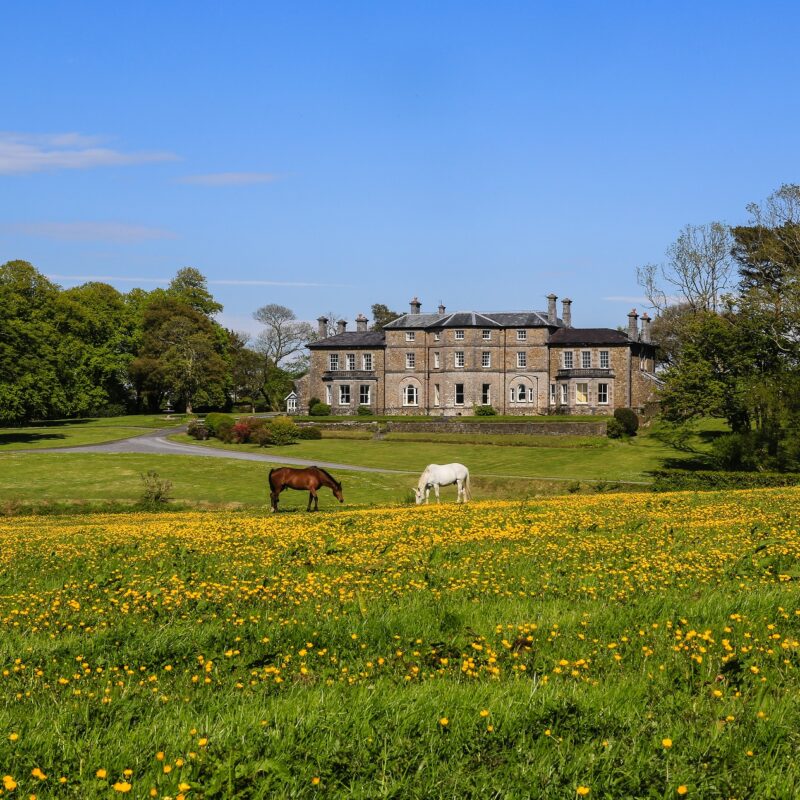
Cresselly House, a grand Georgian mansion in Pembrokeshire, 75 miles west of Mountain Ash, gave its name to the inn because both were owned by the Allen family
The Allen Family
The Allens had strong military and fox-hunting pedigrees and prestigious social connections. The poet Samuel Taylor Coleridge spent weeks visiting Cresselly House and two of John Bartlett Allen’s daughters married in the 1790s into the Wedgwoods of pottery fame, with one of them becoming the mother-in-law of Charles Darwin.
John Bartlett Allen was widely considered to be domineering and aggressive but the next head of the estate, his oldest son, John Hensleigh Allen (1769-1843), was a barrister and High Sheriff of Pembrokeshire who was described as plump, genial and popular.
John Hensleigh Allen was succeeded by his 28-year-old oldest son Seymour Phillips Allen. The local tithe map of 1843, when he took control of the estate and its Mountain Ash holdings, shows that the future site of the inn was then a field of the Forest Ycha farm, occupied by a farmer named John Llewellyn.
Building The Inn
It was the family’s third owner of the site, Seymour Phillips Allen (1814-61), a Harrow-educated Captain of the Life Guards, who leased some of the Cynon Valley land on February 2, 1852 to a Howel Thomas for the building of a coach house inn as the town’s population was beginning to swell with the influx of coal miners.
The area had been named Mountain Ash since 1809 but The Cresselly Inn was founded 15 years before the town got its first local government body, in 1867.
The 99-year lease to Thomas covered a field of 2860 square yards, just over half an acre, between Cardiff Road, the main turnpike road to Cardiff, and what was then a busy canal at the rear of the property (which was later filled in and turned into the New Road).
Thomas set quickly to work and before the year was out he had built the inn and an adjoining terrace of nine houses along Cardiff Road. In 1855 he added a tenth house with a shop facing the road, and a year later four other homes – which still remain – were built on the other side of the inn.
The inn served as a popular “scrumpy” or cider bar for thirsty canal boatsmen and steam train drivers, weary travellers and coal miners.
Location and Significance
Apart from its strong transport links, the inn’s site also attracted mining entrepreneur John Nixon because it was near the boundary of two large farming estates owned by the Allen and Bruce families, and Nixon wanted to build an unusually large and deep mine that would be able to reach the coal beneath both properties.
With the new trains overtaking the canal for freight traffic the pub gave its name to the Cresselly Crossing, a busy rail crossing that is now the footbridge at our front door. A row of Victorian-era homes that was built along Cardiff Road to the north-west of the inn to house managers of the coal mine was called Cresselly Villas.
The Bruce Family Connection
The Bruce family’s estate was more heavily based in this area than was the Allen estate, and Henry Austin Bruce (1815-1895) became the first Lord Aberdare and a more active local figure than the Allens. As rail activity in the area expanded Bruce, the owner of Duffryn estate and chairman of the Vale of Neath Railway, accused the railway’s engineer of expensive and unnecessary technical innovations. Despite the growing political clout of Bruce, who would later become Home Secretary in Gladstone’s British government, his bitter criticism did not exactly kill the career of the engineer, one Isambard Kingdom Brunel.
Bruce’s opposition to the evils of heavy drinking led him to grant few leases on his lands for public houses, leaving Mountain Ash with many fewer pubs per capita than towns like Aberdare. The Cresselly Inn was one of several pubs that would spring up just outside his land to meet the pent-up demand.
Licensing Act and Place Names
As Home Secretary, Bruce took his tough views on drinking national by introducing the Licensing Act 1872, which shortened pub trading hours, strengthened the penalties for misconduct in pubs and created the offences of being drunk in public, and of being drunk while in charge of a horse, a cow, a team engine or a carriage, the forerunner of today’s drink-driving laws.
The Allen family’s own important role in the town’s history is shown today by place names all around us. Walk from Newtown, which was part of the Allen land, to Caegarw, which was originally known as Allenstown, and you will pass Seymour Street, then Phillip Street, then Allen Street, not far from the site of the Allen’s Arms, which closed in 1962 and was demolished soon after.
Later Ownership
The original name, The Cresselly Inn, morphed into the Cresselly Arms by the 1890s.
The Allen family did not invest directly in mining coal in the Cynon Valley as that new industry was generally too risky for the landed gentry but they did make serious money by letting their mineral rights to Nixon.
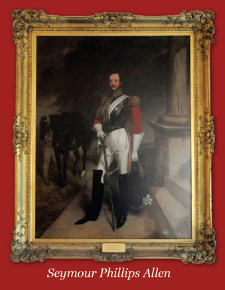
Seymour Phillips Allen (1814-61). On February 2, 1852 he signed a 99-year lease of just over half an acre of land to a Howel Thomas to build a coach house inn which was called The Cresselly Inn.
Seymour Phillips Allen,
who was married to the daughter of the 4th Earl of Portsmouth and like his father held the honorary post of High Sheriff of Pembrokeshire, died in 1861 leaving the estate to their eldest son Henry Seymour Allen (1847-1928) who played a more active role in Mountain Ash than any other member of the family.
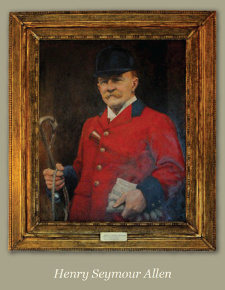
Henry Seymour Allen (1847-1928). Known as Seymour, he played a more active role in Mountain Ash than any other member of the family, including serving as co-president when the town hosted the 1905 National Eisteddfod and selling some land in 1909 to allow the Great Western Railway to improve the town’s rail links. He died unmarried at 80, leaving the estate to his nephew.
Henry Seymour Allen
Known as Seymour, Henry Seymour Allen served as co-president when Mountain Ash held the whole principality’s attention by hosting the 1905 National Eisteddfod (a role the town repeated in 1946).
He never married and on his death in 1928 at the age of 80 the estate passed to his nephew Hugh Evelyn Allen (1880-1933), a captain in the Welsh Guards in World War One whose mother’s father had held the highest rank in the Royal Navy, Admiral of the Fleet.
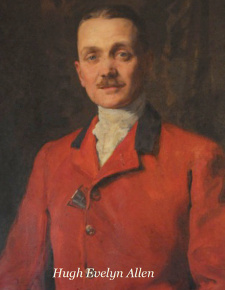
Hugh Evelyn Allen (1880-1933). He died just five years after inheriting the estate from his uncle, forcing the family to sell much of its Mountain Ash property.
Hugh Evelyn Allen
Hugh Evelyn shot himself in the gun room at Cresselly House five years after inheriting the estate and two deaths in such quick succession led to most of the family’s Mountain Ash holdings being sold off to pay inheritance taxes.
The family ended its ties with the Cresselly Inn on January 31, 1952, just two days short of a century after the Allens first leased out the land to allow its construction.
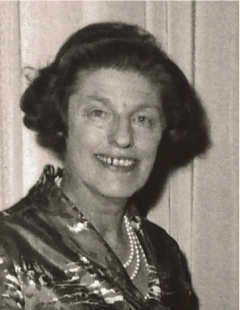
Auriol Joan Bartlett Harrison-Allen (1921-92). Just 11 years old when she inherited the estate from her father, she sold the inn on January 31, 1952 to Andrew Buchan’s Breweries Ltd, (later renamed Rhymney Breweries), ending a century’s ownership of the inn and 189 years of owning the land beneath it. Her son Hugh Harrison-Allen (b. 1950) is the present owner of the Cresselly estate.
Final Years of Allen Ownership
Hugh Evelyn Allen’s only child Auriol Joan Bartlett Harrison-Allen (1921-92) had inherited the estate when she was 11, and sold the inn 19 years later to Andrew Buchan’s Breweries Ltd, which was later renamed Rhymney Breweries.
The pub’s name changed several times before reverting to The Cresselly Inn in 2025, when it returned to its heritage as a genuine inn with the addition of seven B&B rooms under hosts Richard McGill and Hannah Watkins, who already had a long association with “The Cress”.
There is still a Cresselly Arms at Cresswell Quay, near the Allen family’s estate in Pembrokeshire, and Auriol’s son and heir Hugh David Rowland Harrison-Allen (b. 1950) said he was delighted to see the Mountain Ash pub regaining its original name and once again revelling in its heritage.
Estate Connections in 2025
The estate still owned some Mountain Ash property in 2025 – in Arnold Street, a brief 300-yard walk from the pub. Among its early neighbours in Arnold Street were Henry and Emma Burton, whose only child Philip was born in 1904.
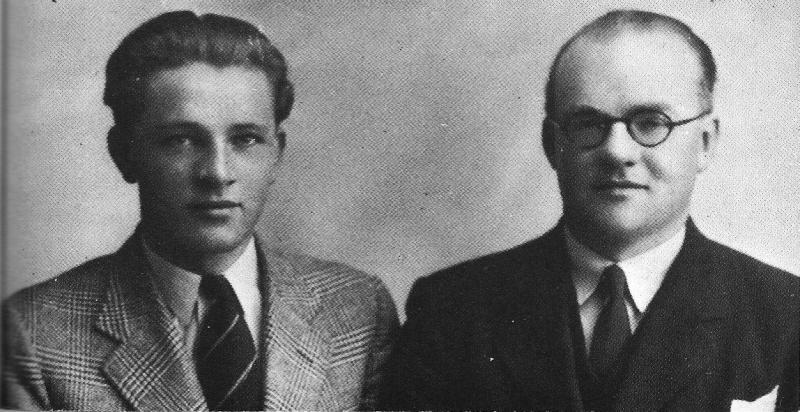
Richard and Philip Burton
The Two Mr Burtons
Henry, a coal miner, was killed in a mine collapse 14 years later but Philip, a precocious reader who loved the arts, won a scholarship to university at the unusually young age of 16. Inspired by the strong poetry and choral traditions of the valleys and by the plays he attended at Mountain Ash’s two theatres, Philip became a drama teacher in Port Talbot, where one of his students was Richard Jenkins, the 12th of 13 children in another coal mining family.
Sensing a rare talent, Philip spent many hours of his own time teaching the teenager to act and to enunciate clearly, project his voice and lose his Welsh accent.
They were so close that Philip tried to adopt him but the age difference was three weeks less than the legally required 21 years. So the talent-spotting teacher became the student’s legal guardian and life-long mentor, with the young man even taking on his name by deed poll: hence the arrival of Richard Burton.
A film about their relationship, called Mr Burton, was released in 2025, with Toby Jones playing the teacher. Philip Burton died in 1995 and his ashes were buried with his parents in Aberffrwd Cemetery, a half a mile from The Cresselly Inn.
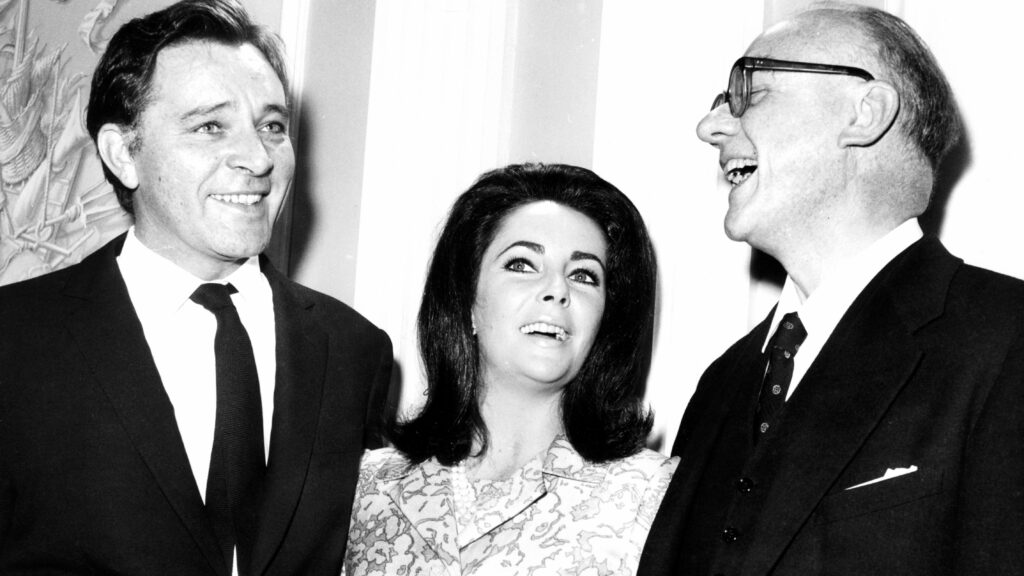
Richard, Elizabeth and Philip
-
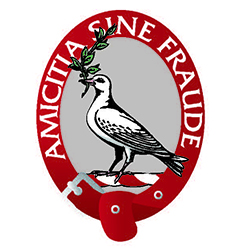
- The Allen family emblem. The motto “Amicitia sine fraude” means “Friendship without deceit”. Perfect for the friendliest pub in the Valleys!
-
- Cresselly House, a grand Georgian mansion in Pembrokeshire, 75 miles west of Mountain Ash, gave its name to the inn because both were owned by the Allen family
-
- Auriol Joan Bartlett Harrison-Allen (1921-92). Just 11 years old when she inherited the estate from her father, she sold the inn on January 31, 1952 to Andrew Buchan’s Breweries Ltd, (later renamed Rhymney Breweries), ending a century’s ownership of the inn and 189 years of owning the land beneath it. Her son Hugh Harrison-Allen (b. 1950) is the present owner of the Cresselly estate.
-
- Hugh Evelyn Allen (1880-1933). He died just five years after inheriting the estate from his uncle, forcing the family to sell much of its Mountain Ash property.
-
- Henry Seymour Allen (1847-1928). Known as Seymour, he played a more active role in Mountain Ash than any other member of the family, including serving as co-president when the town hosted the 1905 National Eisteddfod and selling some land in 1909 to allow the Great Western Railway to improve the town’s rail links. He died unmarried at 80, leaving the estate to his nephew.
-
- Seymour Phillips Allen (1814-61). On February 2, 1852 he signed a 99-year lease of just over half an acre of land to a Howel Thomas to build a coach house inn which was called The Cresselly Inn.
-
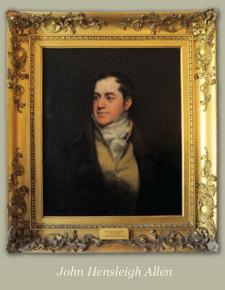
- John Hensleigh Allen (1769-1843). A popular and amiable barrister. Two of his sisters married into the Wedgwood pottery family, and his niece Emma married Charles Darwin.
-
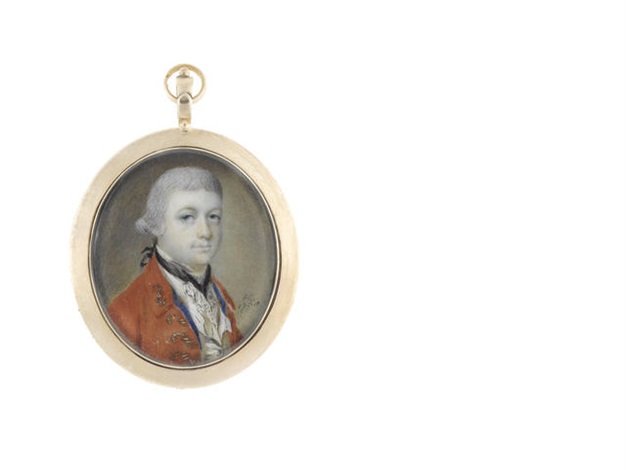
- John Bartlett Allen (1733-1803). The first generation of the Allen family to own the site of the inn. The family gained 926 acres along the east side of the River Cynon in April 1763 as part of the wedding dowry when John Bartlett Allen married Elizabeth Hensleigh (1738-90), the only child of another wealthy landowner. John Bartlett Allen’s mother’s family, the Bartletts, had lived at Cresselly since 1564.
-
- Richard and Philip Burton
-
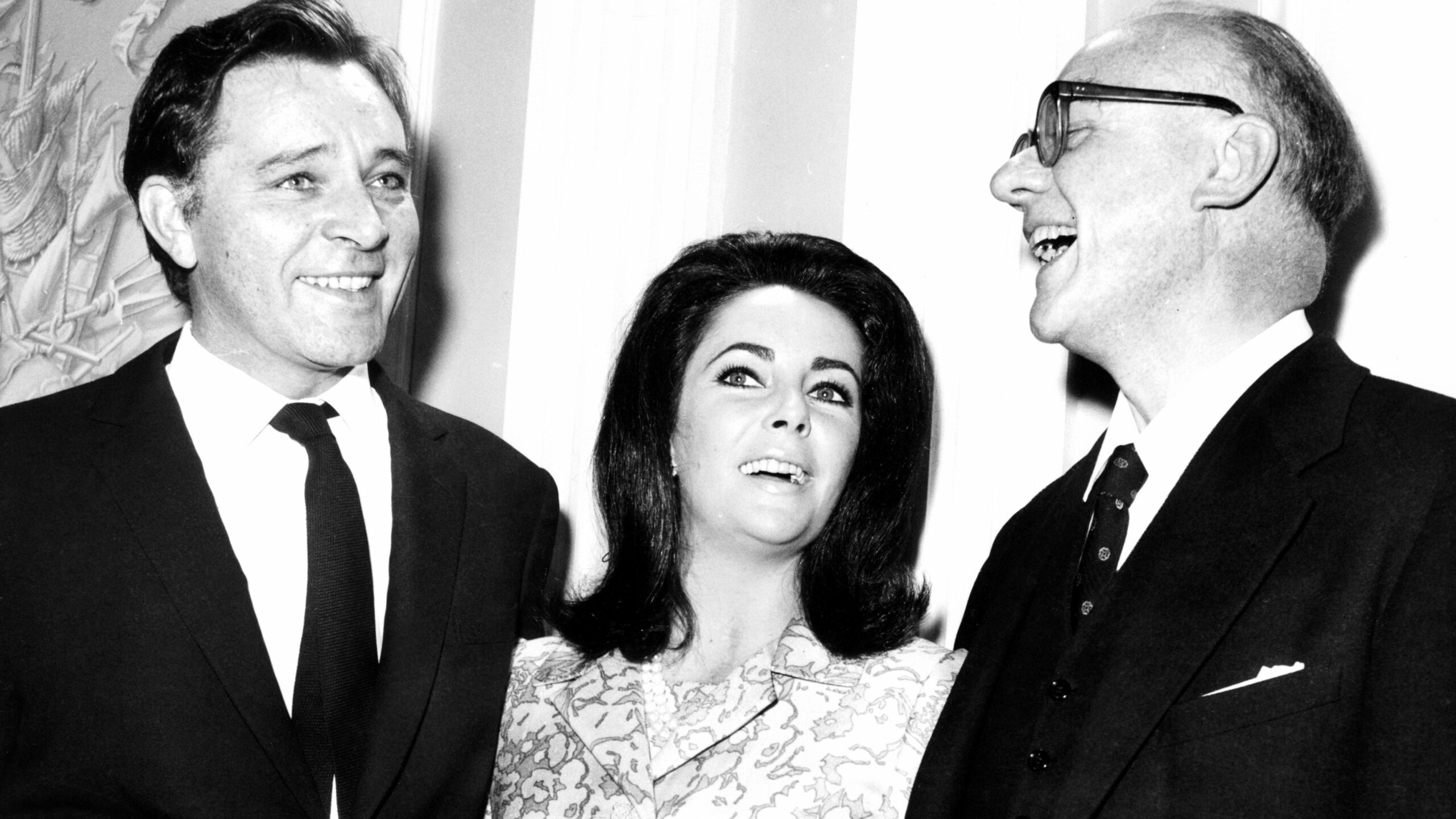
- Richard, Elizabeth and Philip