Welcome
Please come to our staff with any questions about the fascinating history of the Welsh Valleys and its steam trains, coal-mining and strong sense of community – a heritage in which The Cresselly Inn has long played an important part.
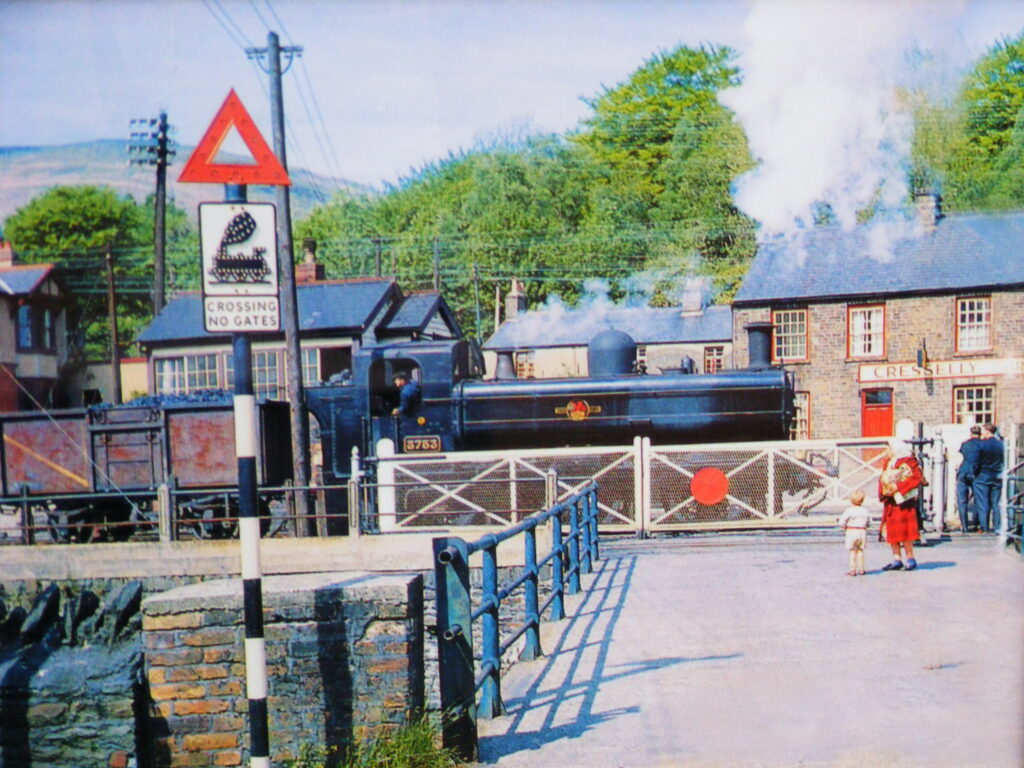
Our favourite photo! Taken in May, 1962 it captures Pannier locomotive No.3753 pushing a load of coal towards Aberdare.
Origins
Founded in 1852, “The Cress” is the oldest coach house in Mountain Ash.
The town sits right on the boundary of two medieval parishes, Aberdare to the north and Llanwonno to the south, which were constituted about 1270 in the time of the last native Prince of Wales, Llewellyn Ab Griffiths.
The Early Valley
A map from 1578 shows Aberdare as a village but most of the Cynon Valley was just a scattering of hill farms overshadowed by mountain slopes. Until the 1600s a dense forest, mostly of oak trees, covered the eastern side of the river and wild boar and wolves thrived in the valley.
In 1803 English schoolmaster Benjamin Heath Malkin walked up the valley from the confluence of the Taff and Cynon rivers at what is now Abercynon to Aberdare, and his eye was caught by the area near Mountain Ash.
“There is a confined view about three miles short (of Aberdare) which struck me as the most engagingly romantic and beautiful of the whole. It consisted only of three meadows, surrounded by groves of oak and fir which completely shut out the world. This vale, taken as a whole, is one of the most fertile and beautiful in the mountains of Glamorgan.”
At that time about 100 Welsh-speaking people lived in farm houses, some dating to the 1500s, that were spread through this isolated part of the valley.
Becoming Mountain Ash
The area was not named Mountain Ash until 1809, the year that the outside world began to intrude on the quiet farmland with the arrival of workers digging the Aberdare Canal.
Originally intended to carry iron south, the canal involved the erection of a stone bridge 60 metres from today’s Cresselly Inn, at what is now the intersection of Troedyrhiw Road, which runs up the hill beside the inn, and New Road, which was built over the filled-in canal.
The area has had various other names, including Aberpennar (Welsh for mouth of the Pennar stream), Duffryn (after a 14th Century grand house and estate) and Bryncerdyn (Hill of the Rowan Tree, another name for the Mountain Ash tree).
The Industrial Boom
From 1840, when the population was only 150, the industrialisation of the valley began to spread downriver from the ironworks around Aberdare as the new coal industry searched for the “dusky diamond” that would soon make the Welsh valleys the most important coal-mining region in the world and the Middle East of that era – a source of energy that generated enormous wealth and helped to power the Industrial Revolution.
Formed about 310 million years ago by deposits of decaying peat in great swamps that had supported dense tropical vegetation, the coal seams head deeper underground as you move down the valley from Aberdare, requiring bigger and deeper mines.
But English engineer John Nixon found that steam coal from the valleys had the prized quality of producing great heat but very little smoke and he turned it into a high-quality export product by convincing the French Navy to buy it for its new steam-powered warships.
Mountain Ash is located near the geographic centre of the steam coal deposits in South Wales, and the deep valleys of the ancient Glamorgan upland plateau allowed ready access to the upper coal measures and even greater prizes to those with the skill and resources to dig deep.
Exporting coal, rather than simply using it in the iron industry in the north of the valley, required moving it down the valley through difficult terrain, at first by the canal and then by rail, to the sea, turning what was then the small fishing town of Cardiff into a major port and today’s capital of Wales.
By the time of the 1851 census Wales had become the first country in the world to reach the landmark of having more people employed in industry than in agriculture, and coal was powering much of that activity.
Birth of The Cresselly Inn
On February 2, 1852, landowner Seymour Phillips Allen (1814-61), leased some farming land to a Howel Thomas for the building of a coach house inn which soon served as a popular “scrumpy” or cider bar for thirsty canal boatsmen and steam train drivers, weary travellers and the coal miners who were starting to swell the town’s population.
At that time the town had only one church Nazareth (1841), the Town Hall had not yet been built (1864 and replaced in 1904), nor the police station (1865) and there was no resident postman. A few pubs had already opened but the only one older than the Cresselly Inn that was still trading in 2025 was the New Inn, which was built on the other side of the river in Oxford Street in 1845.
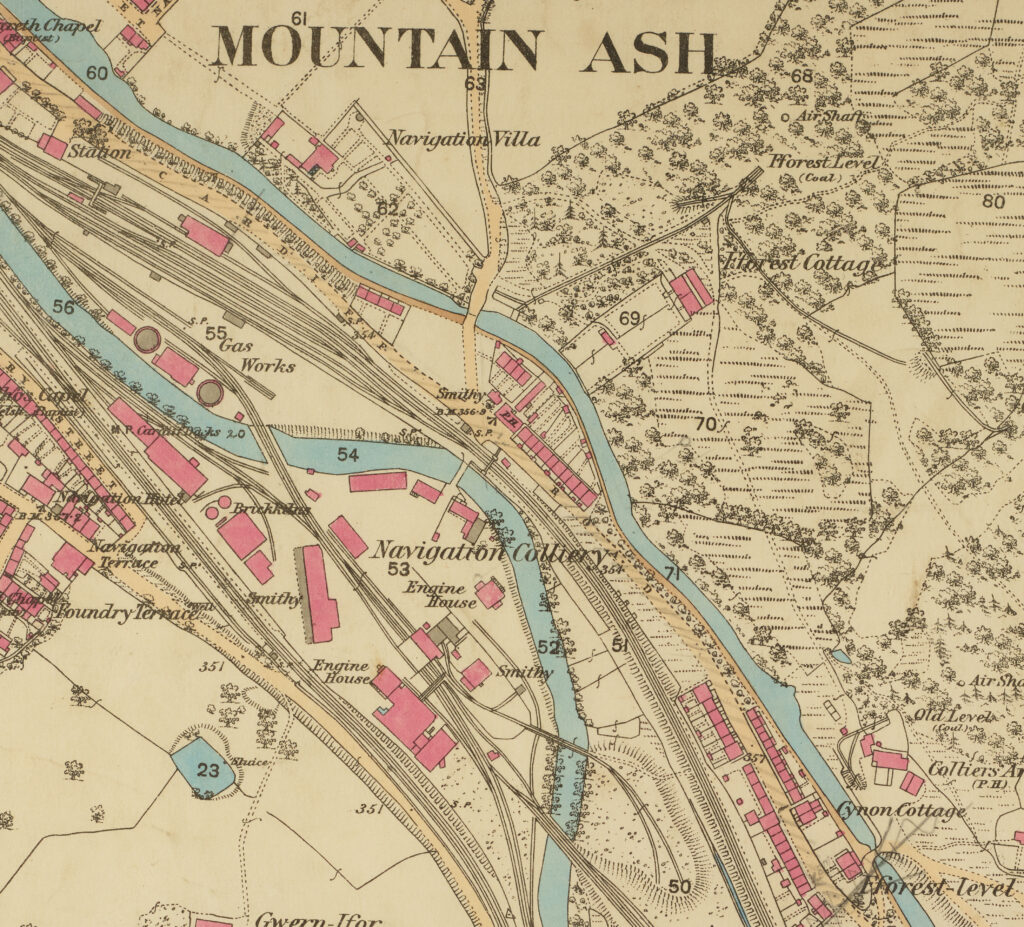
The Ordnance Survey of 1874, showing the Cresselly Inn marked as PH – Public House. The long pink-shaded building behind the inn was a set of stables for travellers’ horses and a smithy sat next door to cater for their horses. The Cardiff Road, parallel to the train lines, was the main Turnpike Road linking Aberdare and Cardiff, and the canal at the rear of the property was busy with floating traffic. The ten houses to the south east of the inn are still there, as are the four houses on the other side. The bridge to the colliery is now a footbridge to Riverside Park.
Centre of Town Life
The “Cress” was always at the centre of the action in the young town, sitting between the canal (which is now the New Road) and the river with its front door opening straight onto the main road to Cardiff plus a busy steam train crossing and one of the most important coalmines in Welsh history.
In August 1855 a field of oats right in front of the inn was cut before ripening to allow work to begin on diverting the river and sinking Nixon’s new Navigation Colliery, which was named to attract the attention of the ship operators who were its target market.
The Navigation Colliery was hailed as the largest in the world at that time and when it finally reached its targeted seam at a depth of 370 yards in 1860 the whole town of Mountain Ash celebrated with parties, speeches and dinners.
The first inn that travellers came to as they headed up the valley, The Cresselly Inn was a key part of the town’s life, hosting everything from inquests and major celebrations to the meetings of several Friendly Society charities, and even serving as the early base and dressing rooms of the town’s rugby team.
More than one drinker disappeared into the River Cynon after over-indulging, and 49 panes of glass in the inn’s windows were smashed by rioters in unrest over the 1880 election.
In November three years later the inn was almost destroyed by fire when publican William Edwards woke before dawn to find his bedroom filling with smoke. Local newspaper the Weekly Mail reported that “It is supposed the fire originated by a spark falling on the parlour floor. A quantity of liquor deposited in the cellar under the room exploded in consequence of the casks coming into contact with the fire. Altogether considerable damage was done (but) Police-Sergeant Johns and a number of his men were soon present and assisted to quench the fire.”
William Edwards’ father Noah ran the inn from at least as early as 1861 and William was still listed as the publican in the 1891 census, which recorded that he spoke both Welsh and English. The 1901 census said the same of new publican Morgan Edmunds and the 1921 census noted that publicans Rees and Miriam Thomas were also bilingual.
Life at the Inn in 1901
In 1901, when the town’s population had reached 31,000, the census recorded that the inn was occupied by the “licensed publican and victualler” Morgan Edmunds, aged 30, his 28-year-old wife Elizabeth and their three sons aged five, four and two, plus a seven-month-old daughter.
Elizabeth’s sister Holly Beith, 19 also lived in the inn, along with a 29-year-old man and three teenaged women including Mary E. Simmons, an 18-year-old cook who had been born in Mountain Ash.
The original name, the Cresselly Inn, morphed into the Cresselly Arms by the 1890s.
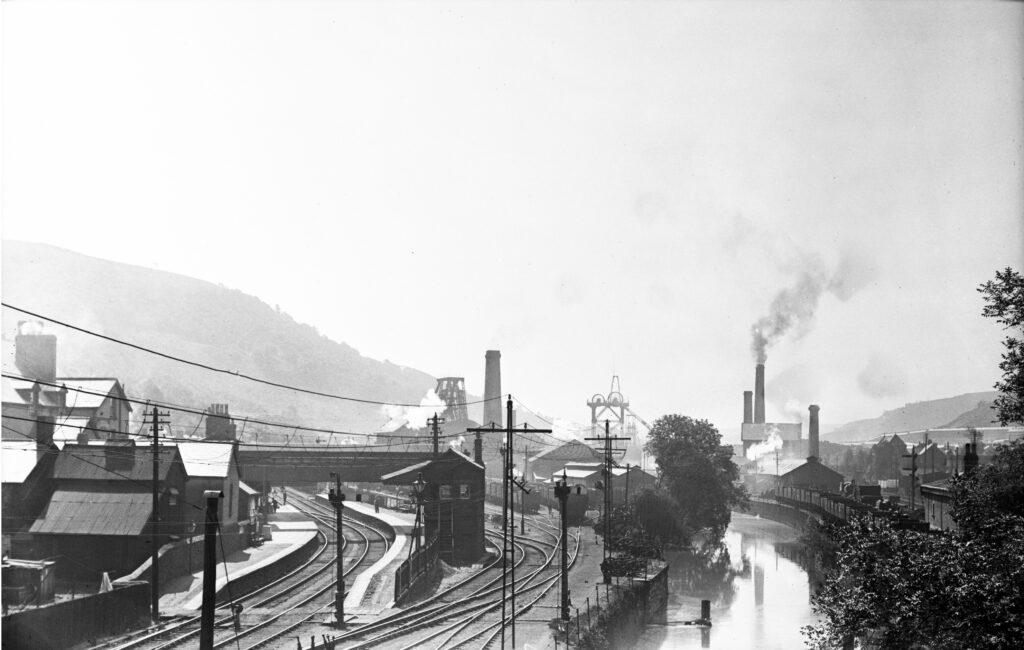
The Cardiff Road station in Mountain Ash in 1922.
Coal Industry Links
The pivotal role of the Navigation complex in the local coal industry meant that from 1934 in what is now the Riverside Park across the footbridge it hosted the central management offices and workshops of a nationally significant enterprise that then controlled six collieries employing 6,280 workers.
The Navigation pithead stopped winding coal in 1967 but it was kept intact until after the 1980 closure of the Deep Duffryn mine at the other end of town, to provide a legally required alternative exit in case of underground calamity.
The town’s population peaked at 48,817 at the end of World War One in 1918 before sliding steadily to reach 11,340 in 2019.
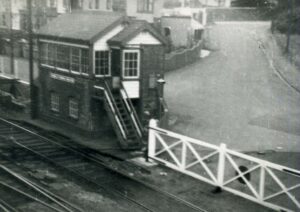
The old signal box and gates of the Cresselly Crossing. The crossing was named after the inn, which was just to the right of the photo. Photo by Deek Jones, who from the age of 14 in 1962 haunted the crossing to take photos of steam trains with a five shilling camera from Woolworths. Copyright: DK Jones.
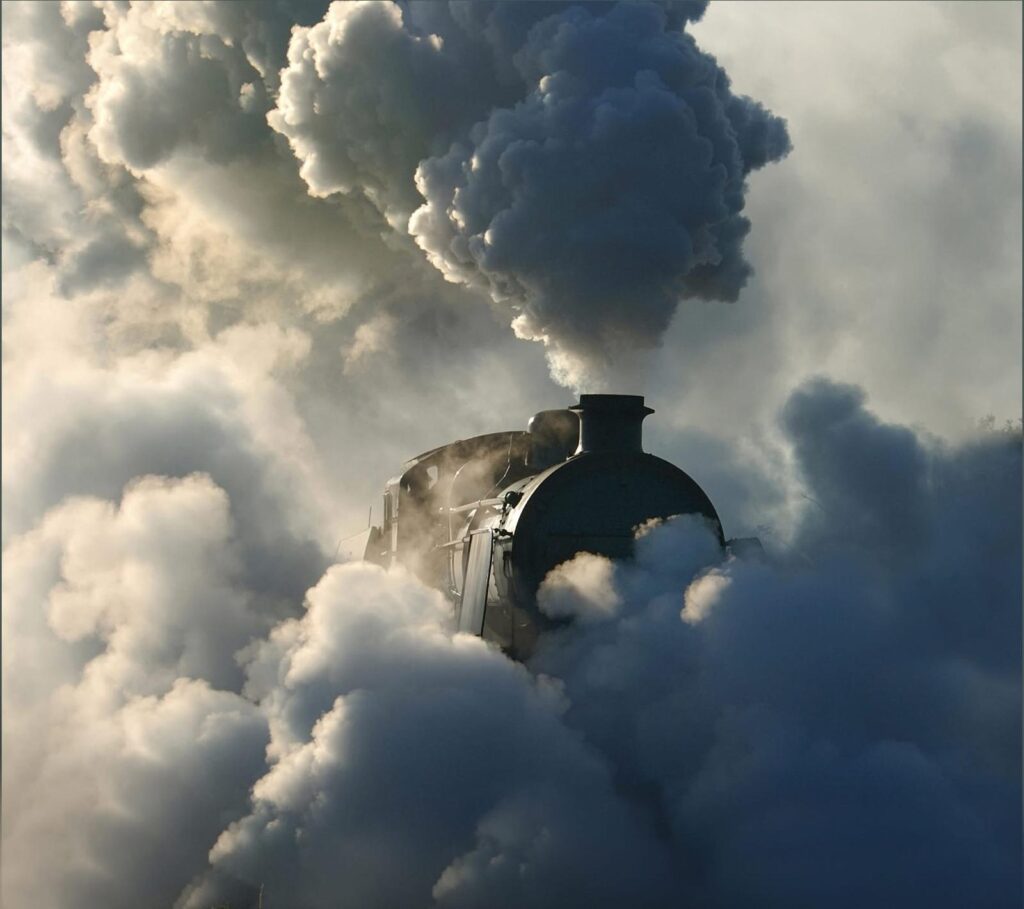
The beauty of steam. The Cresselly Crossing and signal box outside the inn were used to link the private railyard of the Navigation Colliery to the lines heading south towards what was at first a small fishing port called Cardiff. The line outside the front door of the inn became the last steam-powered main line in the United Kingdom
Ownership Changes
On January 31, 1952, just two days short of a century after the Allens first leased out the land to allow the building of the inn, the Allen family sold the inn to Andrew Buchan’s Breweries Ltd, which was later renamed Rhymney Breweries.
The inn changed hands and names several times in the following decades, being called the Poplar Inn, the Mariners Inn, the Cresselly Arms and the George Inn before reverting to the original Cresselly Inn in 2025.
That final change marked a return to its heritage as a genuine inn with the addition of seven B&B rooms under hosts Richard McGill and Hannah Watkins, who already had a long association with “The Cress”.
Modern Developments
The Navigation colliery site sat unused for three decades until European Union funding allowed it to be converted in 2008 into the award-winning Riverside Park with landscaped gardens and sculptures.
While coal-mining and steam trains will never return to the valleys other industries are growing, including light industry, tourism and other services.
An impressive line-up of visitor attractions and popular tourism sites are now within easy reach of Mountain Ash, including Bike Park Wales, the Zip World Tower, the Welsh Coal Mining Experience heritage site in Pontypridd, the Brecon Beacons and increasingly popular cycling and hiking trails and driving routes throughout the area.
The Mural
The lovely mural on the side of the pub was painted in 2025 by popular local artist Tee2Sugars to celebrate that heritage. It is based on a May 31, 1962 photo of a steam train at the Cresselly Crossing, which was named after the inn and stood where there is now a footbridge outside our front door.
The train is pushing a load of coal in the direction of Aberdare and the railways gates are closed to protect the locals who used the junction to walk at will across the grounds of the busy colliery. That foot traffic through the working coal mine and workshops would be a health and safety nightmare today but for decades it gave locals easy access from the inn to the centre of town.
Local rail historian Deek Jones says the locomotive in the photo, No.3753, was built by the Great Western Railway in 1937 and was based at the Aberdare Shed until it was scrapped in January 1965.
The line operated until the 1970s, becoming the last steam-hauled commercial line in the UK.
By capturing the 1962 look of the inn the photo also helped us to create a new sign in 2025 that is faithful to the style and colours of the original. The mural and the sign both symbolise The Cresselly Inn: shining bright and modern while also deeply proud of our heritage.
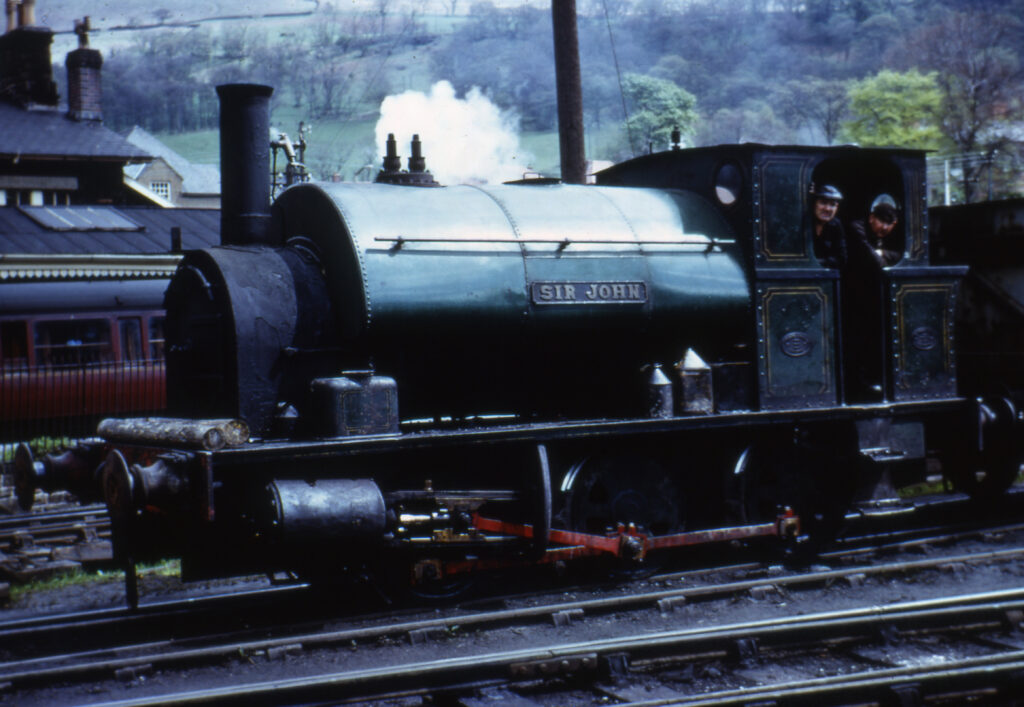
The locomotive “Sir John” on the tracks outside the Cresselly Inn in the 1960s. Driver Ray Jones is on the left, beside shunter Bert Jaynes, who would run the Cresselly Inn in the 1980s. The photo was taken by Ray Jones’ son Deek, whose mother brought him to the Cresselly Crossing from the age of four in 1952 to wave to his father driving past in steam trains. Copyright: DK Jones.
-
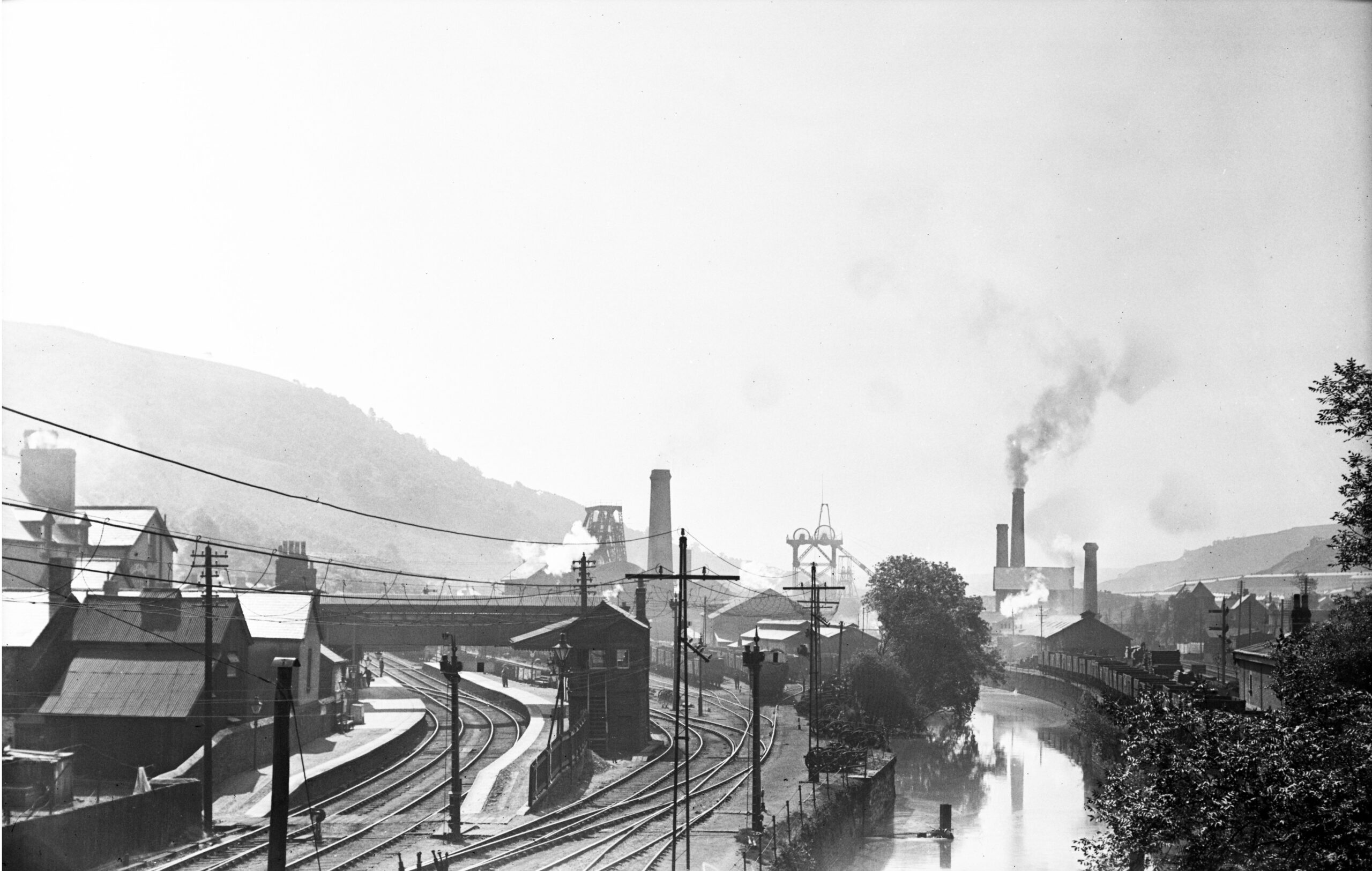
- The Cardiff Road station in Mountain Ash in 1922.
-
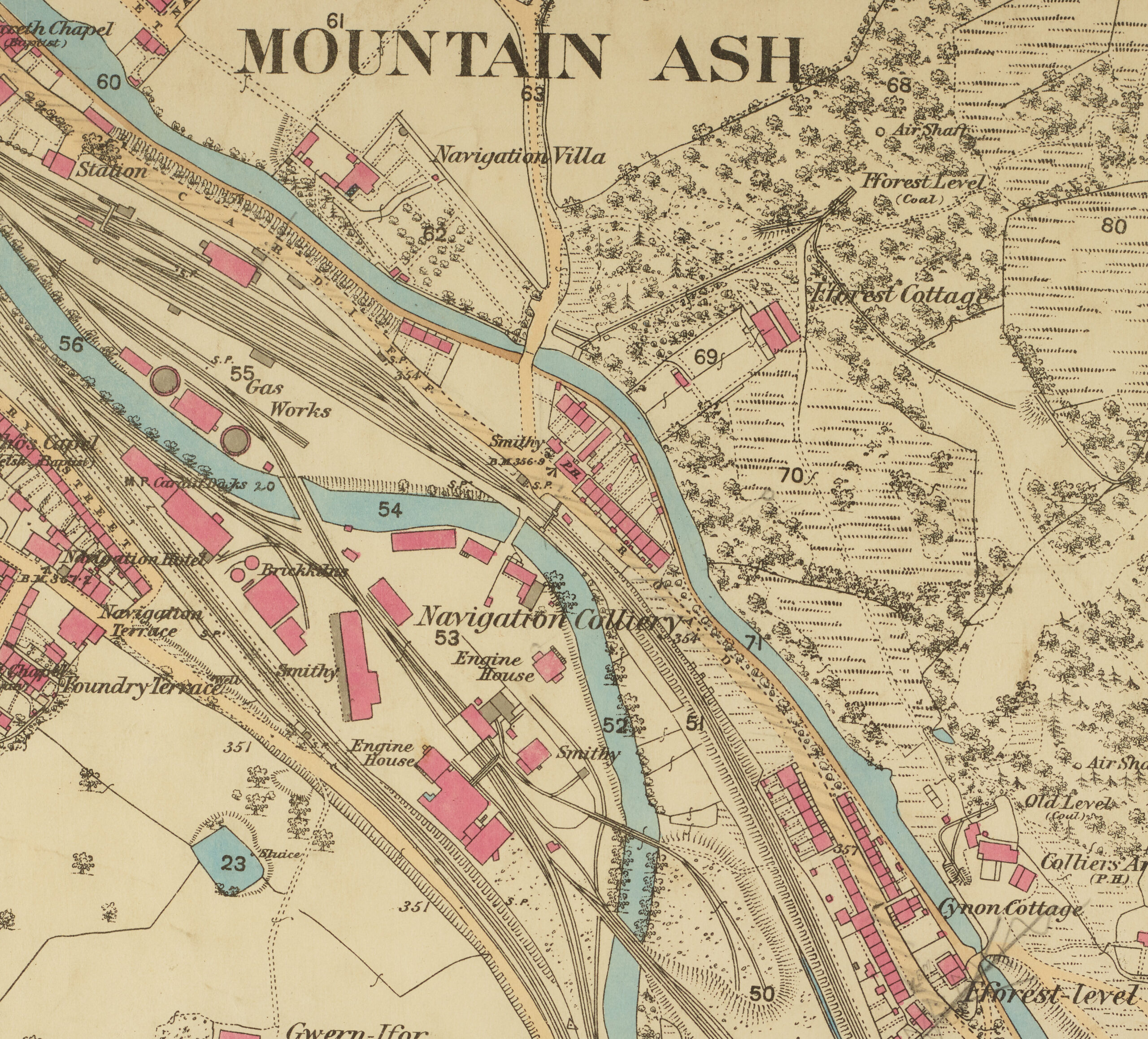
- The Ordnance Survey of 1874, showing the Cresselly Inn marked as PH – Public House. The long pink-shaded building behind the inn was a set of stables for travellers’ horses and a smithy sat next door to cater for their horses. The Cardiff Road, parallel to the train lines, was the main Turnpike Road linking Aberdare and Cardiff, and the canal at the rear of the property was busy with floating traffic. The ten houses to the south east of the inn are still there, as are the four houses on the other side. The bridge to the colliery is now a footbridge to Riverside Park.
-
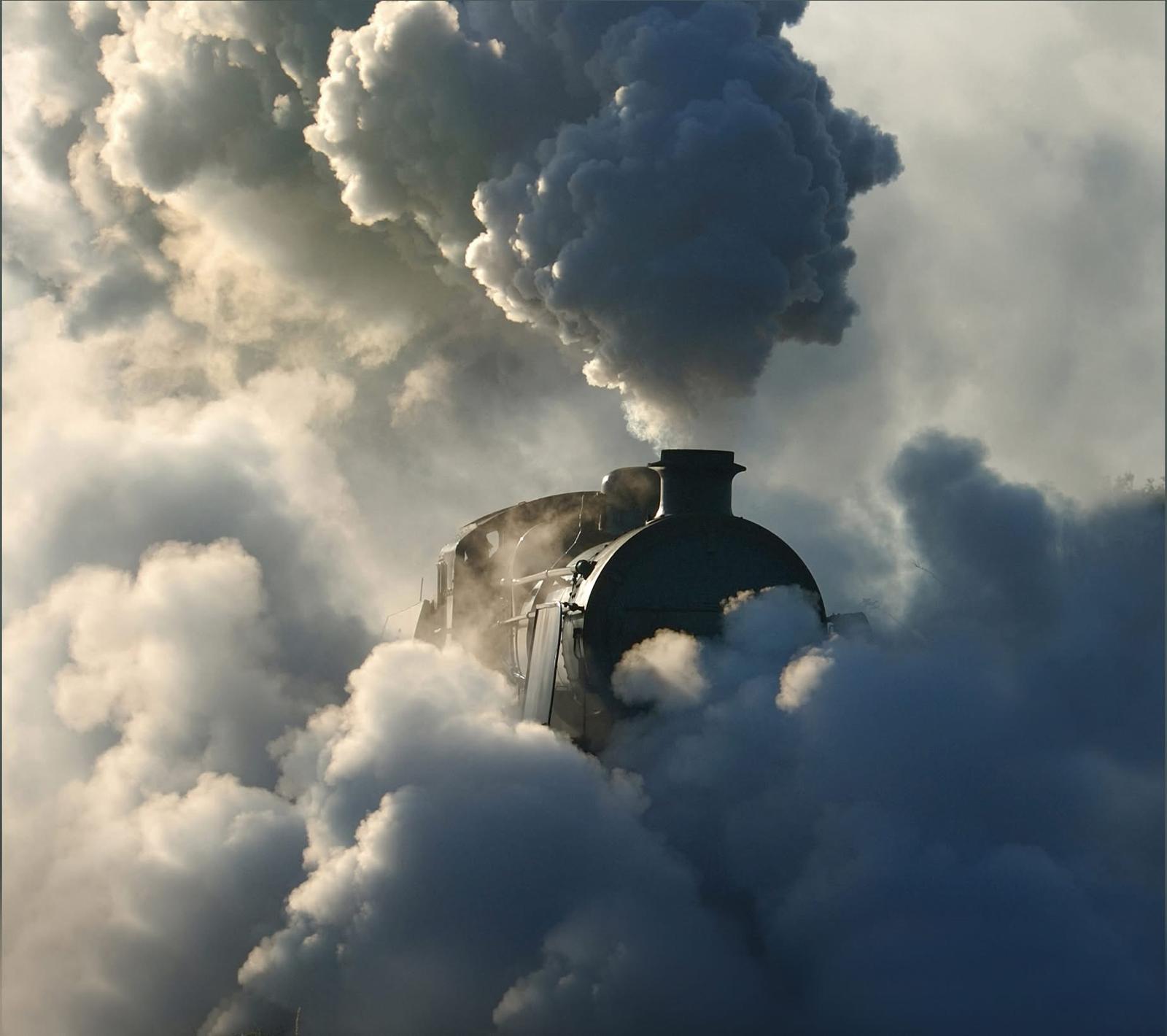
- The beauty of steam. The Cresselly Crossing and signal box outside the inn were used to link the private railyard of the Navigation Colliery to the lines heading south towards what was at first a small fishing port called Cardiff. The line outside the front door of the inn became the last steam-powered main line in the United Kingdom
-
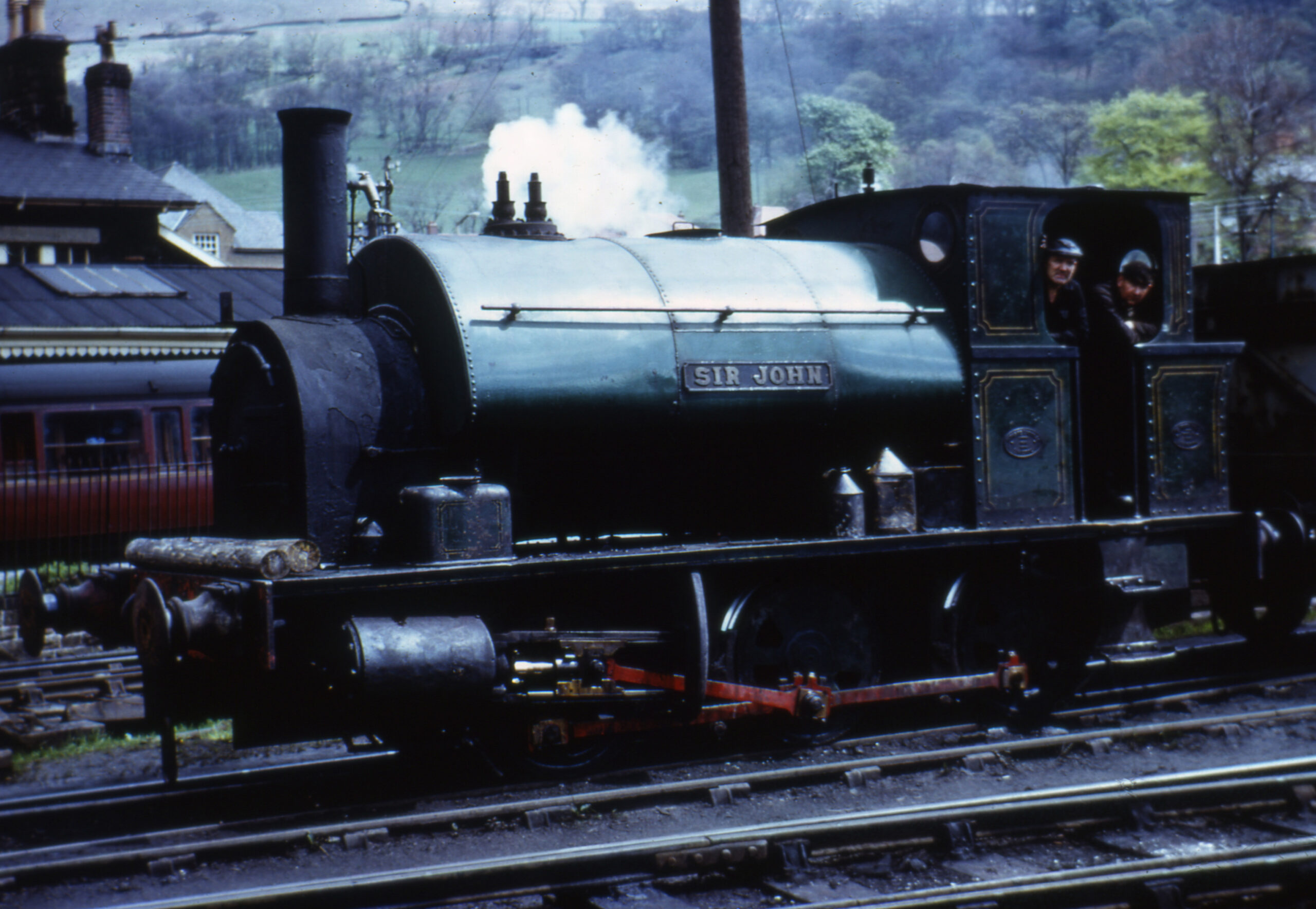
- The locomotive “Sir John” on the tracks outside the Cresselly Inn in the 1960s. Driver Ray Jones is on the left, beside shunter Bert Jaynes, who would run the Cresselly Inn in the 1980s. The photo was taken by Ray Jones’ son Deek, whose mother brought him to the Cresselly Crossing from the age of four in 1952 to wave to his father driving past in steam trains. Copyright: DK Jones.
-
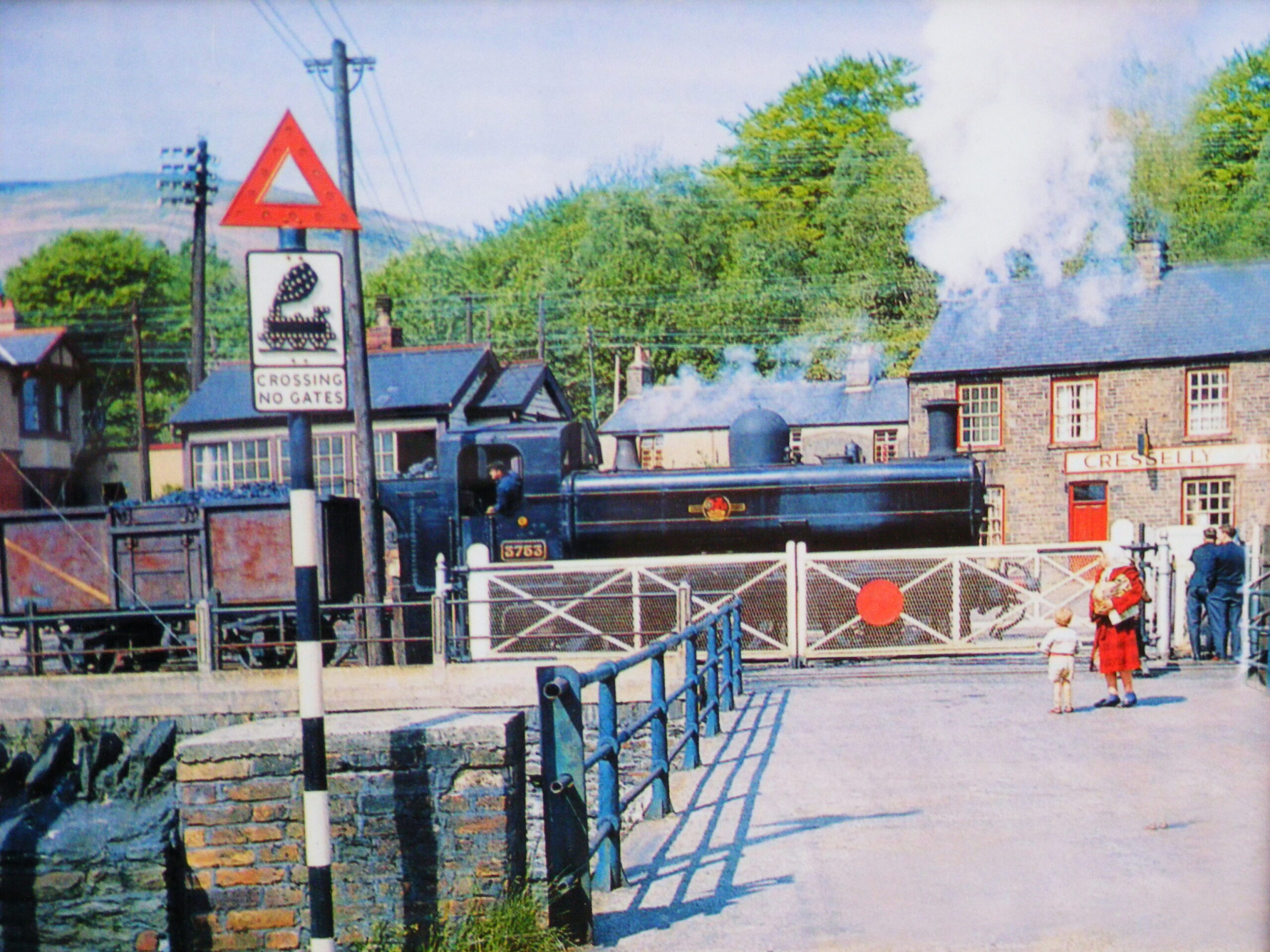
- Our favourite photo! Taken in May, 1962 it captures Pannier locomotive No.3753 pushing a load of coal towards Aberdare.
-
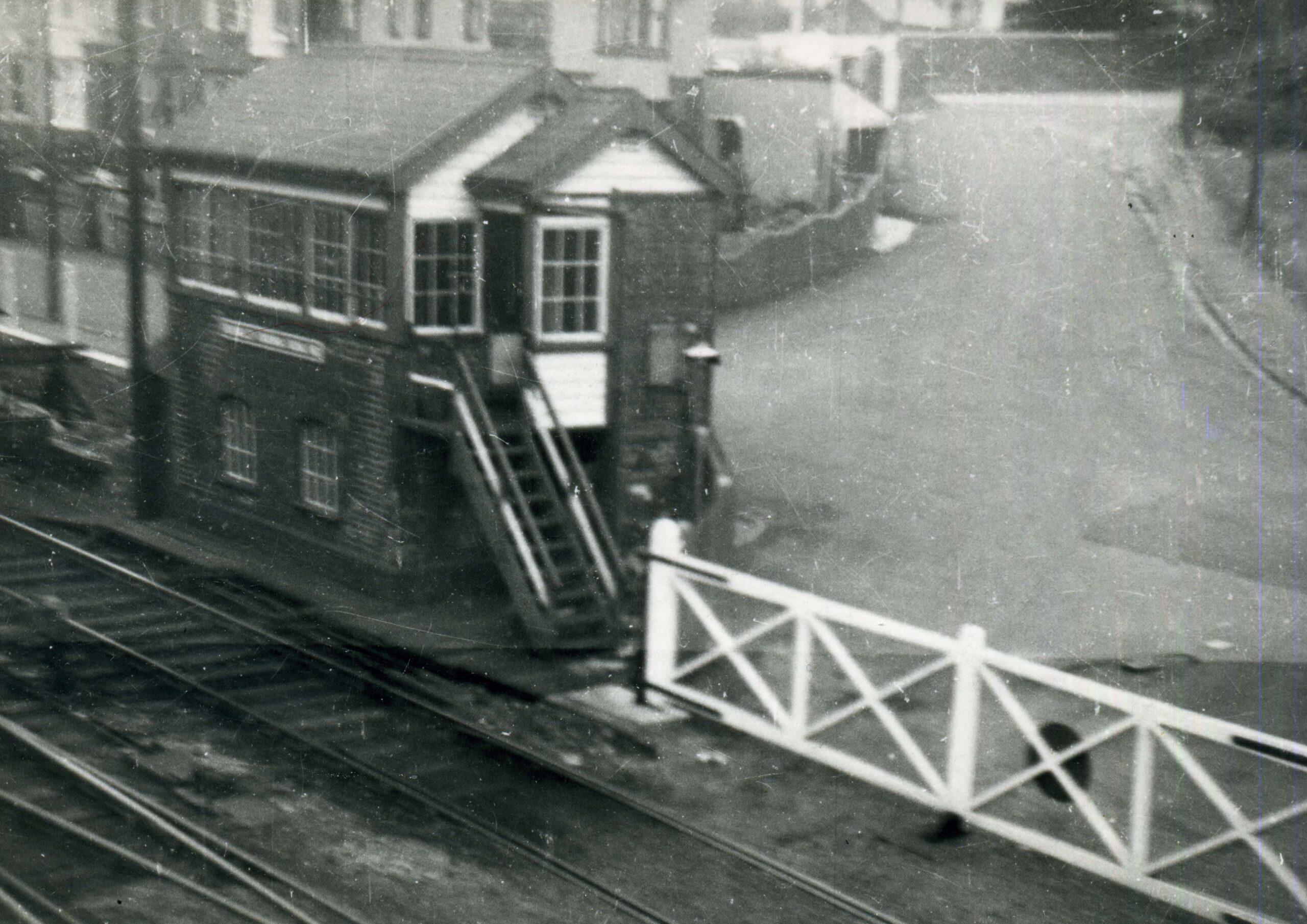
- The old signal box and gates of the Cresselly Crossing. The crossing was named after the inn, which was just to the right of the photo. Photo by Deek Jones, who from the age of 14 in 1962 haunted the crossing to take photos of steam trains with a five shilling camera from Woolworths. Copyright: DK Jones.